Weight loss injections
Weight loss injections: Are Wegovy, Mounjaro and other GLP-1 drugs a good route to losing weight?
Mood
To the posts (8)No votes yet.
- Since the start (Nov 2026)0 votes50% Pros50% Cons
- Last 5 years0 votes50% Pros50% Cons
- Last 12 months0 votes50% Pros50% Cons
- Last 30 days0 votes50% Pros50% Cons
Year by year new votes per year
| Year | New votes, pros and cons | Majority | Votes |
|---|---|---|---|
| 2026 | 50% tied | 0 | |
| Total | 50.0% Pros | 0 |
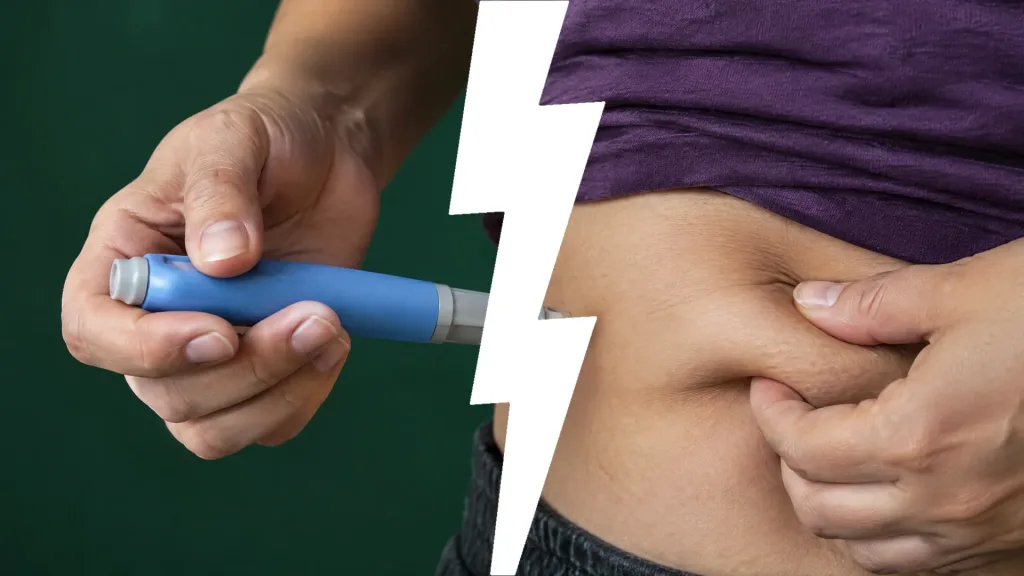
Weight loss injections contain drugs such as semaglutide or tirzepatide that mimic gut hormones, reduce appetite and slow stomach emptying. They are approved for adults with obesity or overweight with related conditions.
This list is also available in German: Abnehmspritze
In the STEP 1 trial, semaglutide led to an average weight loss of around 15 percent of body weight over 68 weeks in adults with obesity.
Many public health systems and insurers do not cover weight loss drugs, so patients in countries such as Germany and Austria pay several hundred euros a month themselves.
In the SELECT trial, semaglutide cut the risk of major cardiovascular events by about a fifth in overweight people with heart disease but without diabetes.
Side effects, mostly digestive, led 17 percent of participants on semaglutide in the SELECT trial to stop treatment, compared with 8 percent on placebo.
Tirzepatide acts on two gut hormone receptors, GIP and GLP-1, and produced average weight loss of roughly 16 to 22 percent depending on dose in the SURMOUNT-1 trial.
Most people regain much of the lost weight after stopping treatment, so the drugs are usually intended for long-term use.
The EU approved semaglutide as a once-daily tablet for weight management in July 2026, offering an option for people who do not want injections.
Part of the weight lost is muscle rather than fat, which is why doctors pair the drugs with strength training and adequate protein intake.